Exploring Coffee Culture Through Vintage Coffee Grinder Icon Set
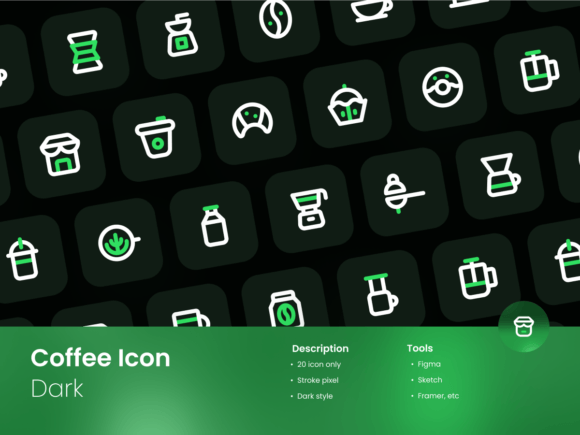
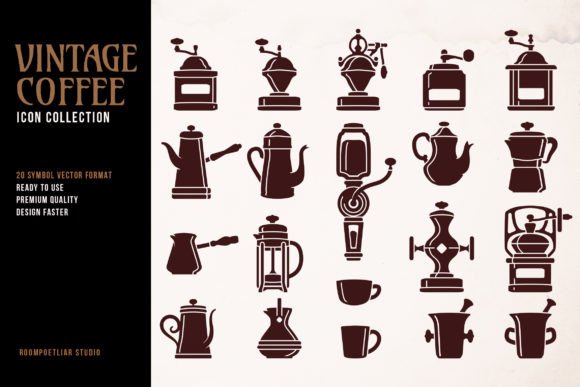
The world of coffee extends far beyond the brew itself. It encompasses a rich history, a dedicated community, and a powerful aesthetic. For professionals, creators, and businesses looking to communicate within this world, visual tools are essential. The Vintage Coffee Grinder Icon Set offers a collection of 20 meticulously crafted icons that serve this exact purpose. This set translates the charm and heritage of coffee preparation into simple, clean digital assets, perfect for a wide range of modern applications.
Why Vintage Imagery Resonates in a Digital Age
In an era dominated by sleek, minimalist design, there is a counter-movement towards imagery that evokes warmth, authenticity, and craftsmanship. This is particularly true in lifestyle sectors like coffee, where the story and process are as important as the final product. Vintage designs, such as those depicting classic manual grinders, connect users to a sense of tradition and quality. They suggest a hands-on, artisanal approach, even when used in a purely digital context. This visual language aligns perfectly with current consumer preferences that value sustainability, authenticity, and a break from the purely synthetic.
The Vintage Coffee Grinder Icon Set taps into this sentiment. Each icon is not just a graphic of a tool; it is a nod to the history of coffee. Using these icons on a website for a specialty roaster, within a mobile app for brewing tutorials, or on social media posts, instantly establishes a specific tone. It tells the audience that the brand or creator respects the roots of the craft. This is a powerful, subtle form of communication that goes beyond written text.
The Practical Power of a Cohesive Icon Collection
A collection of 20 related icons provides a significant practical advantage over using disparate, singular images. Consistency is key in professional design and branding. Having a unified set means every visual reference to coffee grinding equipment maintains the same style, line weight, and level of detail. This cohesion is crucial for building a recognizable and trustworthy visual identity across multiple platforms.
Consider a blogger creating a series of infographics about different brewing methods. Using icons from the same vintage set for each graphic creates a seamless reading experience. A freelance designer working on a flyer for a local café’s event can pull from the collection to illustrate various aspects of the coffee experience without searching for mismatched assets. A business owner developing an instructional poster for staff can use the clean, clear icons to depict steps in the grinding process effectively. The set’s versatility solves a common creative problem: maintaining visual harmony while communicating complex or varied ideas.
Adapting Vintage Icons to Modern Workflows
The description of the set highlights its suitability for websites, mobile apps, books, social media, infographics, flyers, print, banners, and posters. This breadth of application speaks to the fundamental shift in how visual content is now produced and consumed. Modern workflows are often multi-platform. A marketing campaign might start with a social media post, expand to a website banner, and culminate in a printed flyer distributed locally. The assets used need to be scalable, adaptable, and maintain quality across both RGB and CMYK color spaces.
The simple and clean design of this vintage icon set is specifically engineered for this reality. The icons are likely crafted with vector-based precision, allowing them to be scaled from a tiny app button to a large poster header without loss of clarity. Their clean lines ensure they remain legible on small mobile screens and when printed at varying sizes. This technical practicality directly supports the needs of entrepreneurs, marketers, and educators who operate across online and offline channels, ensuring their visual investment works everywhere.
From Online User Interfaces to Offline Marketing Materials
The line between digital and physical marketing continues to blur. An online presence drives offline visits, and offline experiences are documented and shared online. Visual assets must bridge this gap. The Vintage Coffee Grinder Icon Collection is explicitly noted as useful for both online purposes and offline marketing. This dual utility is increasingly important.
For example, the same icon of a classic box grinder could be used as a navigational element on a coffee subscription website (online) and then printed as a decorative element on the packaging of the shipped coffee beans (offline). This creates a tangible link between the brand’s digital identity and its physical product. A set of these icons could be used in a digital PDF guide (an ebook) and also featured on banners at a real-world coffee festival. This consistency reinforces brand memory and creates a holistic customer experience, something modern businesses and creators strive to achieve.
Uncovering Stories Within the Icons
As suggested, exploring these icons can lead to learning something new about the world of coffee. Each grinder design in a vintage set potentially represents a different historical period, mechanical principle, or cultural approach to coffee. A hand-crank icon might evoke the early 20th-century home kitchen. A larger, more complex mill icon could point to commercial grinding practices. For a content creator or educator, these icons are not just decorations; they are starting points for narrative.
A social media post using a specific icon from the collection could be paired with a short historical fact about that grinder type. An infographic about coffee bean origins could use different grinder icons to represent traditional preparation methods from various countries. This approach adds depth and educational value to projects, engaging curious readers and hobbyists who are eager to understand more than just the surface-level aesthetics. It transforms the icons from mere graphics into tools for storytelling and knowledge sharing.
Implementing the Icon Set in Real-World Projects
Understanding trends and practicalities is best grounded with concrete examples. Here are realistic applications of the 20-icon vintage collection for different audiences:
- For App Developers: Use the icons within a coffee brewing tutorial app to visually distinguish between grinding methods (e.g., coarse for French press, fine for espresso) within the interface, enhancing user comprehension.
- For Graphic Designers & Freelancers: Incorporate the icons into a client’s brand style guide for a new café, ensuring all future materials—from menus to loyalty cards—have a consistent visual theme.
- For Bloggers & Content Creators: Embed the icons within blog posts or videos to break up text and visually illustrate steps in a “how-to” guide on achieving the perfect grind at home.
- For Business Owners & Marketers: Feature the icons on promotional banners for a “Vintage Brewing Workshop” event, both on the café’s website and in printed posters around the neighborhood, creating a clear thematic link.
- For Educators & Trainers: Use the icons in presentation slides or handouts for a barista training course, providing clear, non-photographic references to different equipment types.
In each case, the icons serve a functional role—improving communication, ensuring consistency, or enhancing aesthetics—while also carrying the evocative weight of vintage design. They meet a practical need while satisfying a contemporary desire for authentic, story-rich visuals.
The Vintage Coffee Grinder Icon Set represents more than just a bundle of graphics. It is a thoughtfully designed resource that aligns with how people work today, across digital and physical spaces, and resonates with the values of authenticity and craftsmanship prevalent in modern coffee culture. By providing a cohesive, adaptable, and historically evocative visual toolkit, it empowers a wide range of professionals, creators, and businesses to tell their coffee-related stories more effectively and with greater visual harmony.