Why a Pitch Deck Is Your Best PowerPoint Presentation
When you hear the phrase "PowerPoint presentation," you might think of school projects or lengthy corporate meetings. But in the world of business, marketing, and innovation, one specific type of presentation stands above all others as a critical tool: the pitch deck. More than just slides, a well-crafted pitch deck is often your best PowerPoint presentation, serving as the backbone for your most important communications.
What Exactly Is a Pitch Deck?
A pitch deck is a concise, visual PowerPoint presentation designed to tell a compelling story. Its primary purpose is to introduce, explain, and sell an idea, project, or business. Unlike a standard report, a pitch deck focuses on persuasion. It combines clear data with strong visuals and narrative flow to capture attention, generate interest, and secure action—whether that's funding, approval, partnership, or a sale.
Think of it as your best PowerPoint presentation for moments that matter. It's not about showing every detail; it's about highlighting the right details in the most impactful way.
The Core Anatomy of a Powerful Pitch Deck
While formats can vary, most effective pitch decks share common elements that build a logical and persuasive argument:
- The Problem: Clearly defining the issue or need your project addresses.
- The Solution: Introducing your product, service, or idea as the answer.
- The Market: Demonstrating who your customers are and the scale of opportunity.
- The Business Model: Explaining how you will make money or create value.
- The Magic: Highlighting your unique technology, approach, or competitive edge.
- The Team: Showing the people behind the idea and their credibility.
- The Ask: Clearly stating what you need from the audience (investment, support, etc.).
Beyond Startups: The Versatile Uses of a Pitch Deck
The name might suggest it's only for startups seeking venture capital, but its application is far broader. Creating your best PowerPoint presentation in the form of a pitch deck can be valuable in numerous scenarios.
Internal Project Proposals
Within a company, securing budget or resources for a new initiative requires convincing leadership. A pitch deck frames your project as an opportunity, not just a request, focusing on return on investment and strategic alignment.
Marketing and Sales Slide Decks
When presenting to potential clients or partners, a marketing slide deck version of a pitch deck tells the story of your company's value, focusing on client benefits and case studies rather than financial projections.
Webinars and Public Presentations
A webinar template structured as a pitch deck keeps online presentations engaging and goal-oriented. It guides the narrative from problem to solution, keeping the virtual audience invested in the outcome.
Crafting a Business Plan PPTX
A traditional business plan document can be dense. A visual business plan PPTX, using pitch deck principles, can be a powerful companion document to distill the core strategy for quick reviews and discussions.
The Importance of Design: A Canvas for Your Story
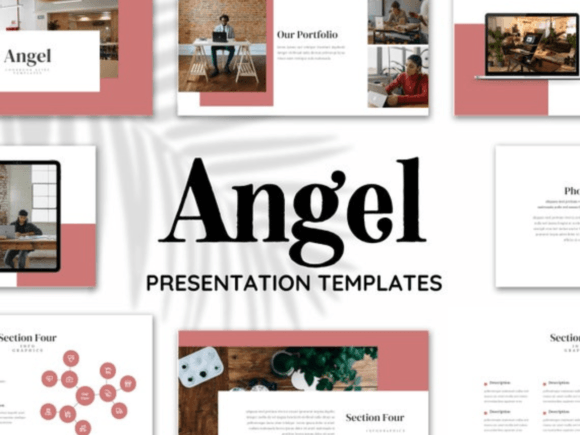
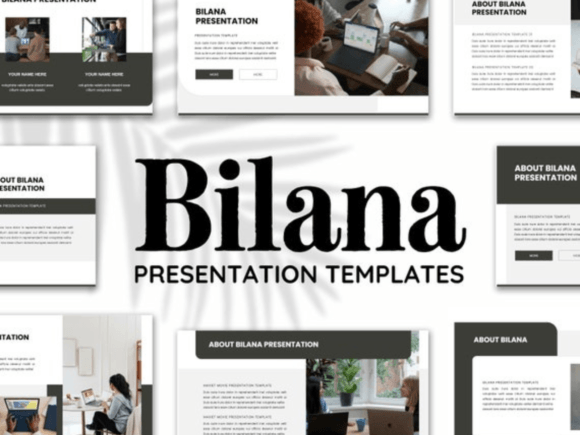
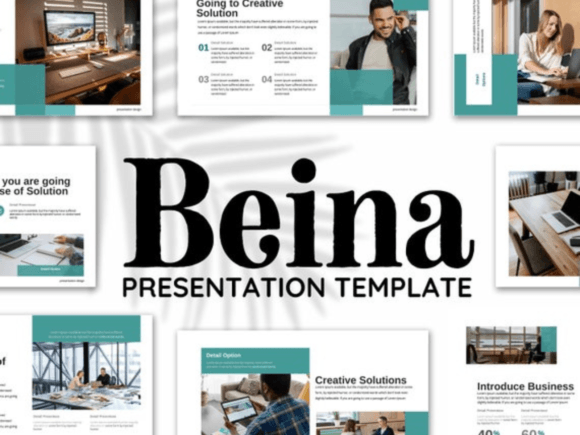
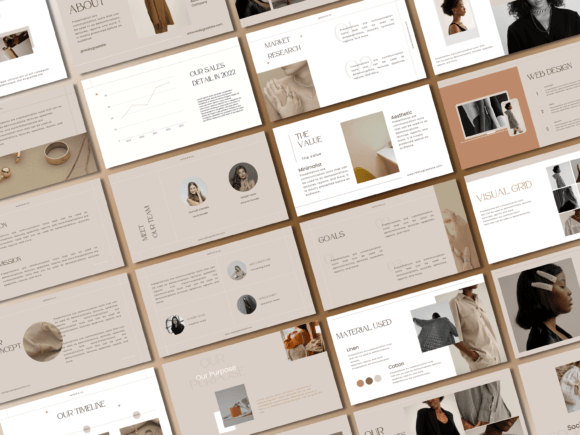
The content of your pitch deck is paramount, but its design is the vehicle that carries it. A cluttered, inconsistent, or visually confusing presentation can undermine a great idea. This is where template choices, like a Minimal Beige Business PowerPoint Template, come into play.
Such a design emphasizes professionalism and clarity. A simple, modern, but powerful layout with creative photo arrangements allows your content to shine without distraction. The aesthetic should feel credible and contemporary, letting your work study projects or multimillion-dollar proposals stand on their own merit.
Customization and Practical Power
A great pitch deck template provides more than just a look; it provides functionality. As mentioned, high-quality, easily customizable elements are key. Infographics that are simple to edit allow you to tailor diagrams, charts, and process flows—like demonstrating a cycling process for a manufacturing project—without needing graphic design skills. This adaptability ensures the template serves your unique story, not the other way around.
Who Benefits from Mastering the Pitch Deck?
Almost anyone who needs to persuade can benefit from treating their PowerPoint as a pitch deck.
- Entrepreneurs and Startup Founders: This is their fundamental tool for securing seed funding and partnerships.
- Business Managers and Department Heads: For internal advocacy and project green-lighting.
- Freelancers and Creators: To pitch their services, present project ideas to clients, or launch new offerings.
- Non-Profit Organizers: To secure grants, donations, and community support by telling a mission-driven story.
- Students and Academics: To present research proposals, thesis ideas, or competition entries in a compelling, professional format.
Real-World Scenarios: Where Pitch Decks Make the Difference
Consider a small tech company developing a new app. Their best PowerPoint presentation is a 12-slide pitch deck they use in three distinct ways: a condensed 5-slide version for initial email outreach to investors, the full version for live meetings, and a derivative version used as a marketing slide deck on their website for potential early users. The core story remains consistent, but the focus adjusts for each audience.
Another example is a marketing agency pitching a major campaign to a client. They don't send a 50-page document. They create a sleek pitch deck that visually outlines the client's challenge, the proposed creative solution, the projected engagement metrics, and the agency's relevant success stories. It's persuasive, digestible, and directly geared toward winning the contract.
Strengths and Considerations
The strength of a pitch deck lies in its focus and efficiency. It forces you to distill complex ideas into essential points, which is a valuable discipline. However, it's not a substitute for deep documentation. It should be supported by detailed plans, financial models, or technical specs when needed.
A limitation can be the temptation to over-design. The goal is clarity, not artistic flair. Every visual element should serve the narrative. Also, a pitch deck is not a one-size-fits-all solution; it must be meticulously tailored to its specific audience and their known priorities.
Evaluating Your Need for a Pitch Deck
How do you know if you should invest time in creating this type of best PowerPoint presentation? Ask yourself these questions:
- Is my goal to persuade someone to take a specific action (invest, buy, approve, partner)?
- Am I presenting to an audience with limited time or a need for a quick, clear understanding?
- Does my idea benefit from a strong narrative story, rather than just a list of facts?
- Will visual support—like infographics, photos, or clean data charts—significantly enhance my message?
If you answer "yes" to most of these, then developing a pitch deck is likely your best approach.
Crafting Your Own Best PowerPoint Presentation
Begin with your story, not the slides. Write down the core problem, solution, and evidence. Structure it logically. Only then should you move to a template. Choose a design, like a minimal business template, that feels appropriate to your industry and audience. Use its customizable infographics and layouts to build your visual case. Remember, the pitch deck is the guide for a conversation, not a standalone document. Practice presenting it as a narrative, not just reading slides.
Ultimately, whether you use a sophisticated template or build from scratch, the principle remains: your best PowerPoint presentation is one that tells a clear, convincing, and human story. The pitch deck format embodies that principle, making it an indispensable tool for turning ideas into action.